The Museum
Families
21 families documented — the major lineages that shaped pterosaur diversity across 150 million years of flight.
-
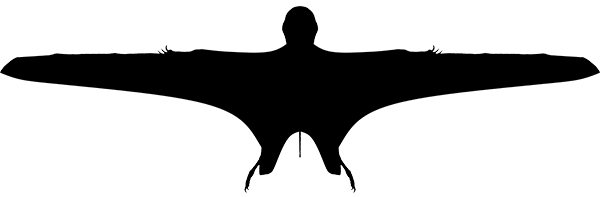
Anurognathidae
Among the most adorable of all pterosaurs, these animals were small and fluffy, with gigantic night-piercing eyes. They were the owls and bats of their time and flew after insects through the dark Jurassic forests.
10 genera -
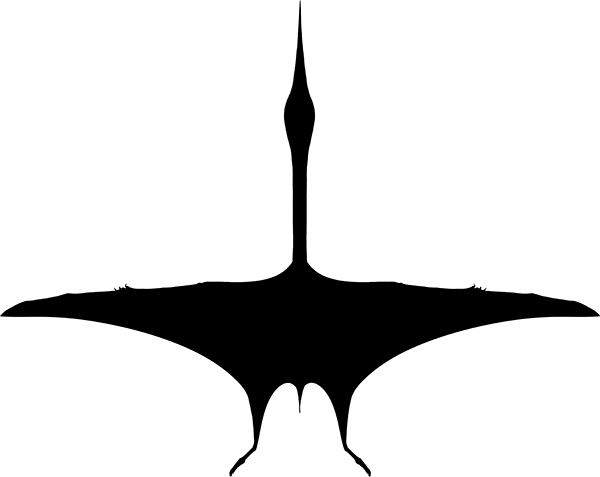
Azhdarchidae
The biggest beasts to take to the skies, these animals broke records when it came to flight and pushed pterosaur limits to new heights.
25 genera -
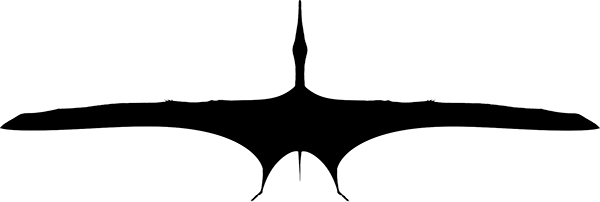
Boreopteridae
They were a very small family of slim and long-winged soaring pterosaurs that trapped fish between their thin, needle-like teeth.
5 genera -

Campylognathoididae
Strange early pterosaurs that hunted small prey on the Early Jurassic islands of Europe.
3 genera -

Chaoyangopteridae
Smaller cousins of the monstrous azhdarchids, this family of pterosaurs was pretty similar in habits, only a little smaller.
4 genera -

Ctenochasmatidae
They filtered little creatures from the water with stringy teeth, and flew across lakes and seas on narrow albatross-like wings.
15 genera -

Dimorphodontidae
A family of non-pterodactyloid pterosaurs with short wings and strong limbs. They often hunted overland and had heavy heads.
4 genera -

Dsungaripteridae
These hardy beasts crushed shellfish and pretty much anything else with solid, globe-like teeth at the backs of their jaws. They are known for being the 'ugliest' of all pterosaurs but were beautifully engineered to live an unorthodox life.
7 genera -
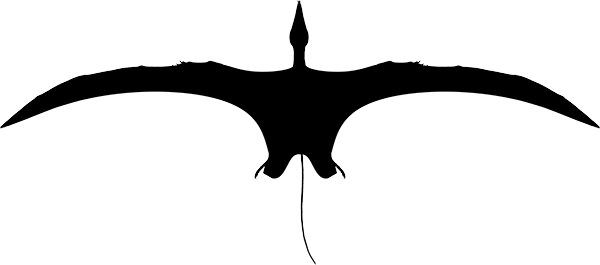
Eudimorphodontidae
They set the standard for hundreds of pterosaurs for millions of years to come. Their time came when the Age of Dinosaurs began and their legacy lasted till the era ended.
4 genera -

Gallodactylidae
These little fishermen soared above the Jurassic seas like reptilian seagulls. But one of them used its curved jaws to crack the shells of little crabs and shellfish.
4 genera -
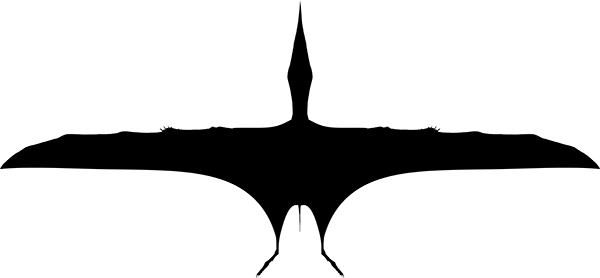
Germanodactylidae
Germany's own flying darlings, these pterosaurs were hardly weird but they were among the earliest of their kind to be discovered.
2 genera -
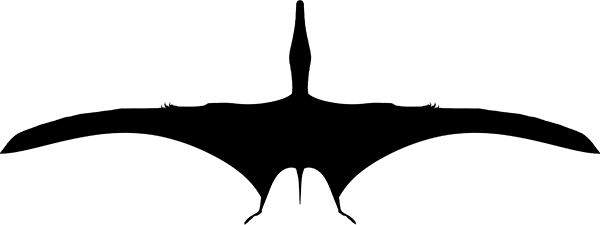
Istiodactylidae
These medium-sized pterosaurs had small teeth in the front of their jaws. They are known to have been overland hunters and scavengers.
7 genera -
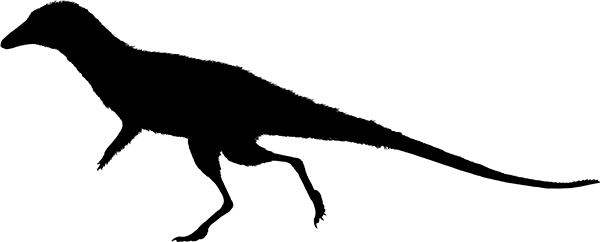
Lagerpetidae
Lagerpetids couldn't fly, but these Triassic reptiles were the closest relatives of the pterosaurs. They had features of the brain and inner ear that show they could easily navigate in the treetops.
2 genera -

Nyctosauridae
The odd little cousins of the pteranodonts, one of these slim-winged pterosaurs not only lost the other fingers on its hands but also had the most preposterous crest of any flying reptile.
6 genera -

Ornithocheiridae
These expert fishermen were among the biggest and most spectacular of all the toothed pterosaurs and used their long wings to fly great distances over immense waterways.
22 genera -
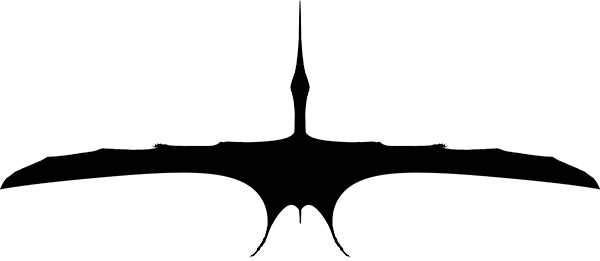
Pteranodontidae
These big, crested beasts were the great fishermen of their time, diving underwater to catch their slippery prey. They also made a big splash in pop culture with their iconic look and charisma.
6 genera -

Pterodactylidae
A very small family of Late Jurassic marine pterosaurs. Close relatives of the Ctenochasmatidae.
1 genus -
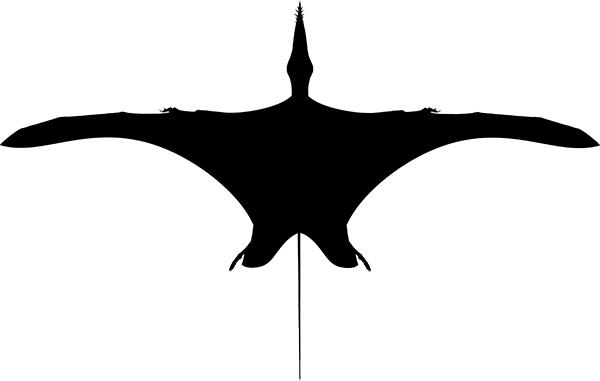
Rhamphorhynchidae
Long-tailed and short-beaked, these winged beasts were great revolutionaries in the field of paleontology. We know them from the inside out from some of the best fossils ever known.
17 genera -

Tapejaridae
Their crests were a crowning achievement among the pterosaurs, and they were probably among the weirdest of their kind.
12 genera -
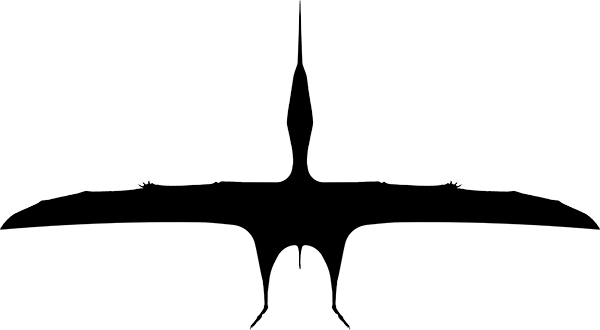
Thalassodromidae
Long-beaked and large-crested predators, these big pterosaurs were formidable hunters that stalked small prey on land.
2 genera -

Wukongopteridae
They were the most dragon-like creatures of their time. Their heads were crowned with crests, they had lengthy wings and multiple skin flaps along their long tails.
6 genera
